Fall Hiking Shoes, Explained: What Actually Changes When the Trail Gets Wet and Cold
A trail that was easy in July gets genuinely more hazardous in October, not because the terrain changed, but because everything covering it did. Wet leaves hide roots and loose rock, mornings start near freezing, and daylight runs out well before the hike does. A shoe that worked fine all summer doesn't automatically work here, and the reasons come down to a few specific things.
Wet leaves are the traction problem nobody plans for
A layer of wet leaf litter hides exactly the terrain you need to see: roots, loose rock, uneven footing. It looks flat and it isn't, which is what makes it a common cause of fall trail slips and rolled ankles. The same thing that matters for slip resistance on a wet warehouse floor matters here too: a deep, multidirectional lug pattern paired with a rubber compound that actually stays grippy as temperatures drop, not just tread that looks aggressive in a product photo.
Waterproof vs. breathable mesh, the real fall tradeoff
A waterproof membrane keeps water out through wet leaves, puddles, and morning dew, but it traps heat and sweat, and it runs warmer than you want on a mild fall afternoon. A breathable mesh trail shoe handles that heat fine but soaks through fast once the ground is actually wet. For most three-season fall hiking, not deep winter, a wet-weather-capable low or mid-height trail shoe splits that difference better than jumping straight to an insulated winter boot, which is more boot than the conditions call for until real cold and snow show up.
Ankle support matters more when you can't see the footing
This is where a low-top trail shoe and a mid-top hiking boot genuinely diverge. With leaves hiding what's underfoot, you can't preview each step the way you can on a clear summer trail, and that raises the odds of rolling an ankle on uneven ground. A mid-height boot adds real lateral support for rockier or steeper fall routes. A low-top trail shoe stays lighter and more agile, and it's the better call on groomed or flatter trails where the extra ankle coverage isn't doing much work. Neither one is universally right, it depends on where you're actually hiking.
A solid pick for the transition season
The Merrell Moab 3 is one of the most consistently well-reviewed hiking shoes in its price range, and it earns that reputation honestly: minimal break-in, comfortable out of the box, dependable traction for the price. Merrell's sizing runs true for most men's styles, though women's versions often run a half to full size small in newer releases, worth accounting for when you order.
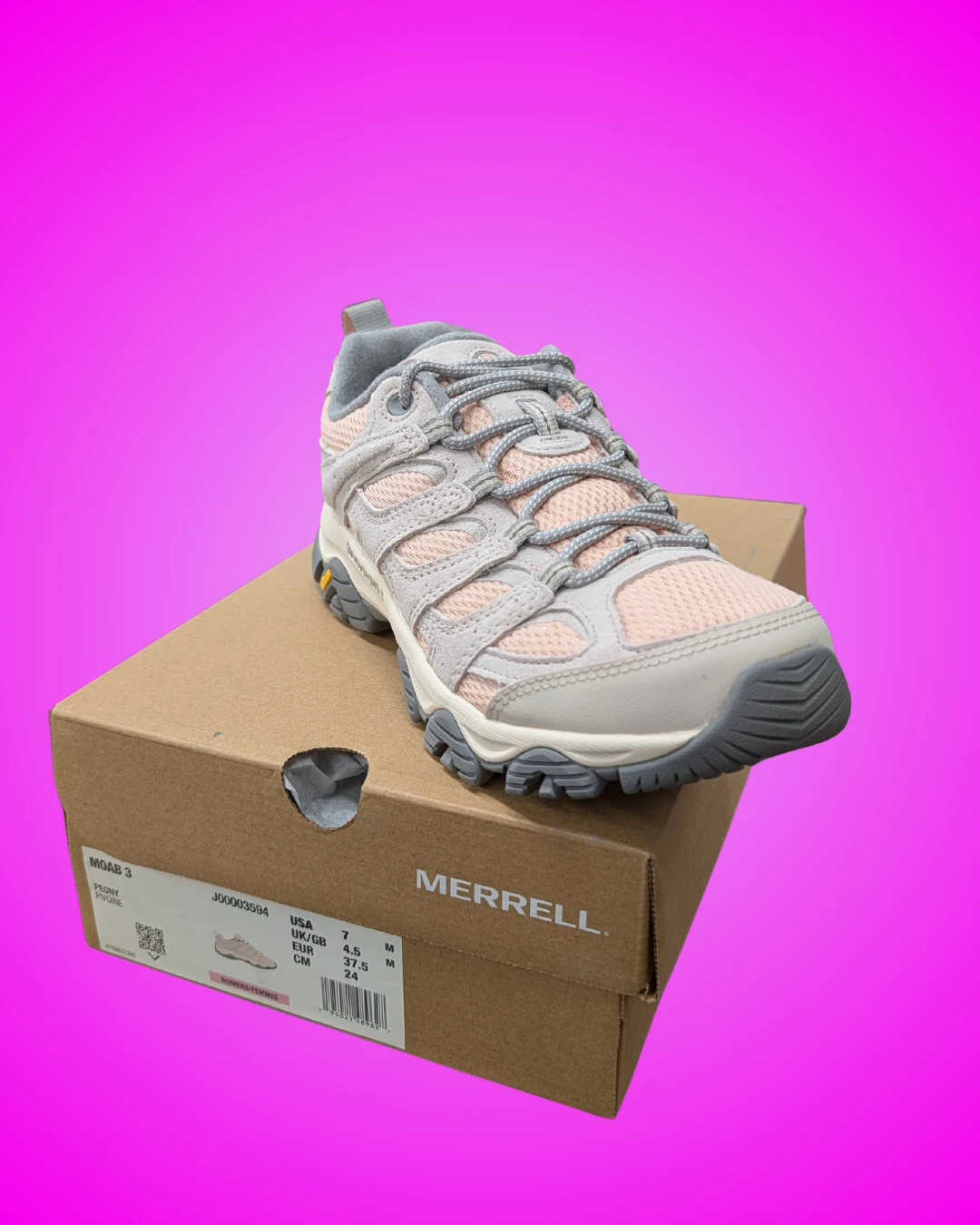
One honest caveat: the mesh version pictured above is the right call for dry-to-mild fall days, not once the trail turns consistently wet or cold. Merrell also makes a Moab 3 Waterproof and a Mid GTX version, and once you're regularly hiking through wet leaves or morning frost, that's the version worth stepping up to instead.
One sizing note as the temperature drops
Fall hiking socks tend to run a bit thicker than summer trail socks, not to the extent that winter boots need to account for, but enough that a shoe that fit perfectly in August can feel snug by November. If you're between sizes or switching to a noticeably thicker sock for the season, it's worth trying the half size up before you commit to a pair for the whole fall.
Not sure which fall hiking shoe actually fits what you need?
Tell ShoeCompass where you're hiking and what the conditions look like, and we'll point you toward options built for it, not just ones that look the part.
Try ShoeCompass →