
Do Shoes Stretch? What Gives, What Doesn't, and What to Do About a Tight Fit
It's one of the most common questions at a shoe counter: "They're a little tight. Will they stretch?" The honest answer is sometimes, a little, and only in certain directions. Whether a shoe will give depends on what it's made of and where it feels tight, and getting that right can save you from keeping a pair that never becomes comfortable.
The short answer
Most shoes can give a little across the width over time. Almost none can gain real length. That means where a shoe is tight matters more than how tight it is.
Where a shoe can and can't stretch
- Can give a little: the width across the ball of the foot, the upper over the toes, and the area around a bony spot, mostly in soft materials.
- Barely gives: the length, so toes touching the front of the shoe is a size problem, not a stretching problem.
- Barely gives: the heel, the height over the instep, and structured parts like a stiff heel cup.
- Gives only a little: the circumference of a boot shaft. If a boot is tight around the calf, sizing and stretching won't reliably fix it. Our wide-calf boots guide explains why.
Material by material
Leather, suede, and nubuck
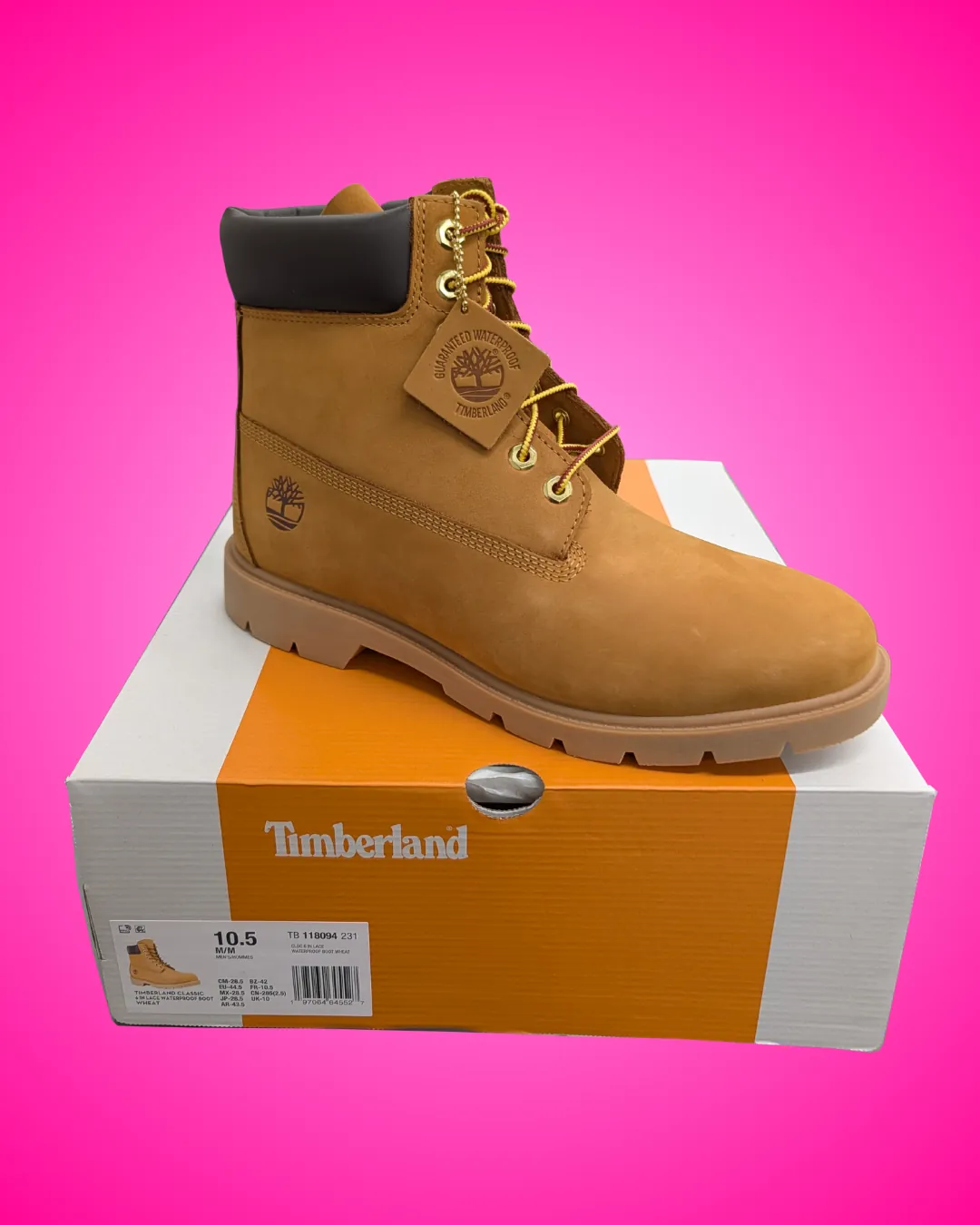
Real leather is a natural material that softens and molds to the foot with wear. It's the type of shoe most likely to give, and the give is usually small, often described as roughly a quarter to half a size in width. That's a rule of thumb, not a guarantee, and a lining can limit it. Stiff, heavy leather, like a work boot, takes weeks to soften rather than stretching quickly. Our boot materials guide covers how suede, nubuck, and smooth leather differ.
Faux leather and other synthetics
Synthetic leather gives very little. It's more likely to crease or crack than to stretch, and coated finishes such as patent leather resist stretching even more. If a synthetic shoe is tight, assume it will stay tight.
Canvas
Canvas softens and gives slightly with wear, especially across the sides and the toe area, but not by much.

Knit and mesh
Knit and mesh uppers flex with the foot and are often forgiving across the front, and elastic laces or stretch panels add more room. They have limits too, and they can loosen over time.

Foam and rubber
Molded foam and rubber, as in many clogs and sandals, don't really stretch. Some soften a bit with body heat, but the size stays the same.
Break-in is not the same as stretching
Break-in is a stiff material softening and your foot getting used to it. A shoe can feel much better after a few wears without getting any bigger. But sharp pain, numbness, toes jammed against the front, or blisters aren't normal break-in. They're signs of a shoe that doesn't fit.
Check the adjustable parts first
Before you try to stretch anything, see whether the shoe already has room to adjust. Laces, straps, and buckles can often solve a snug spot without any stretching. A boot with lacing along the whole shaft, like this one, can be loosened or tightened through the ankle and calf in a way a pull-on boot can't.

Ways to stretch a shoe, from safest to riskiest
- Wear them at home. Put on thick socks and wear the shoes for an hour or so at a time over several days. It's gentle and low risk. Stop if it hurts or rubs.
- Use a shoe stretcher. An adjustable two-way stretcher can widen leather shoes in small steps, left in overnight. Go slowly, and expect modest results.
- Take them to a cobbler. A shoe repair shop can stretch the width with professional equipment, which is the best route for a good leather shoe. They'll also tell you if it won't work.
- Try a leather conditioner or stretch spray. These can help leather relax, but they can darken or mark some finishes, so test a hidden spot first.
Methods like heating shoes with a hair dryer, soaking leather, or the freezer-bag trick are popular online. They can damage glue, finish, and the leather itself, and results are hit or miss. If the shoes are worth saving, ask a cobbler.
One more practical point: if the store takes returns, wear the shoes only indoors on a clean surface before you try any stretching. Stretching or wearing them outside can mean you can't return them. Our sale shopping guide explains why checking the return terms matters.
The opposite problem: shoes that stretch too much
Leather and knit can loosen with wear, so don't buy a shoe that's already loose hoping it will tighten. Shoes rarely shrink back, and drying wet leather too fast can shrink or harden it. The best fit to aim for is snug but comfortable the first time you put them on.
A quick way to decide before you buy
- Tight in length or at the heel? Don't expect stretching to help. Try a different size or style.
- Slightly snug across the ball in real leather? That may ease with wear.
- Synthetic, patent, or molded foam? Assume it won't change.
- Knit or mesh? Usually forgiving, but still choose a size that fits.
- Often tight across the front? The fix is usually a wider shoe or a roomier toe box, not stretching. See our wide toe box guide, and check how each brand tends to fit in our brand sizing comparison.
Gear mentioned in this guide
Choose by your shoe's material. Neither changes which shoes we recommend.
As an Amazon Associate I earn from qualifying purchases. Some links are affiliate links, and ShoeCompass may earn a commission at no extra cost to you. How ShoeCompass makes money
Want shoes that fit without relying on stretching?
Tell ShoeCompass your size, width, and fit concerns, and we'll point you toward shoes in materials and shapes that suit your feet from the start.
Try ShoeCompass →