
Fall Boot Materials, Explained: Suede, Nubuck, and Smooth Leather
Most people pick a fall boot by its shape and color, and then discover what the material means once the first rainy week arrives. Suede, nubuck, and smooth leather can look similar on a shelf, but they behave very differently in wet weather, they need different care, and they age in different ways. Knowing which one you're buying makes it much easier to match a boot to how you'll actually wear it.
Suede: soft and comfortable, but it soaks up water
Suede is leather with a soft, napped surface, usually made from the underside of the hide. That nap is what gives it its velvety look and a flexible feel that often needs little break-in. It's also what makes suede the most vulnerable of the three: the fibers absorb water, stains, and salt easily, and a wet patch can dry as a visible dark spot.
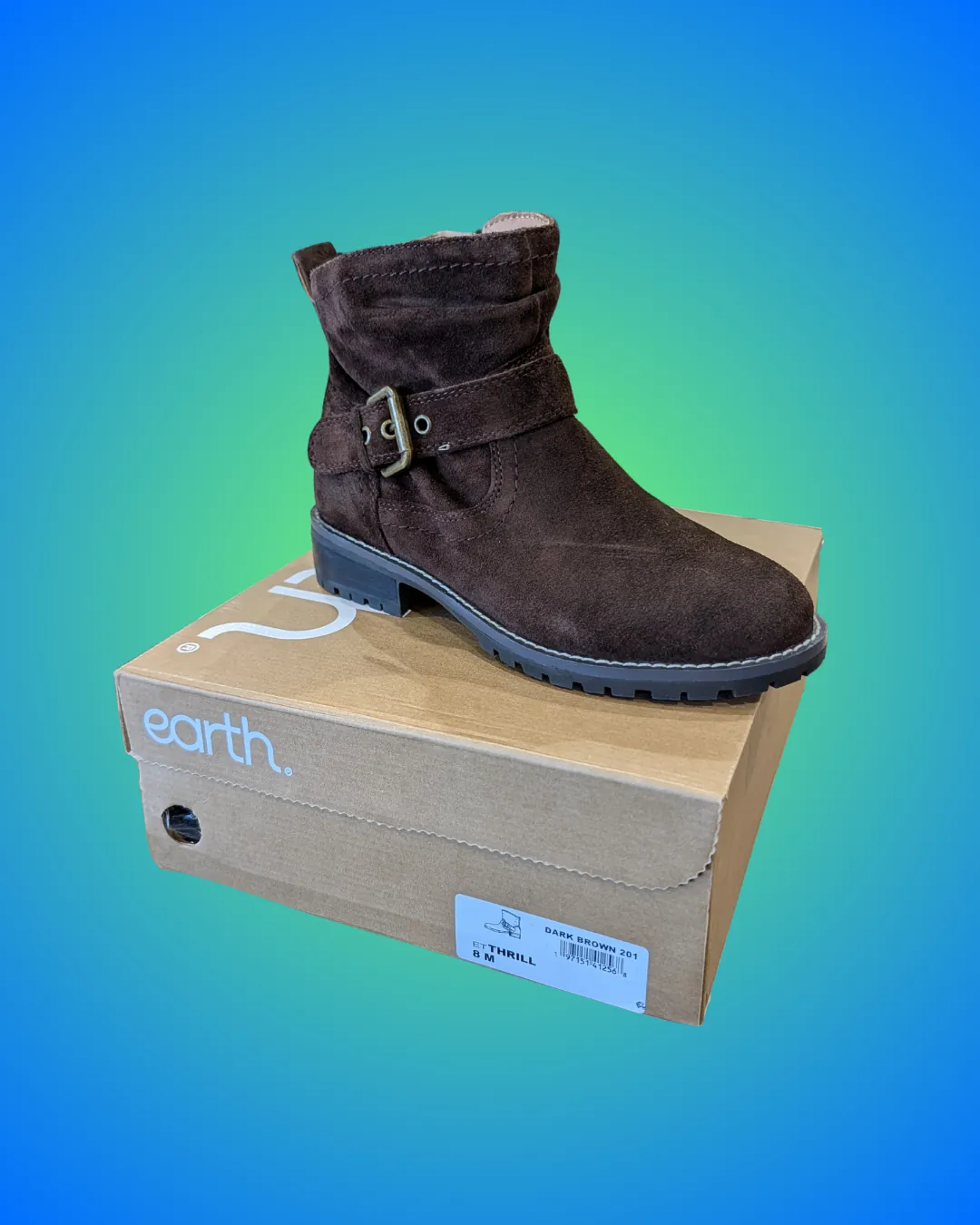
Suede boots can still work in fall, but they need a protective spray before the first wear and a quick brush with a suede brush now and then. For slushy or salted streets, look for a suede boot that's specifically sold as waterproof, or choose a different material for those days.
Nubuck: tougher than suede, with the same velvety look
Nubuck is top-grain leather that has been lightly sanded on the outer surface to create a fine, velvety nap. It looks a lot like suede, but because it comes from the outer layer of the hide, it's generally more durable. It still marks and darkens when it gets wet, so it benefits from a protector spray too.
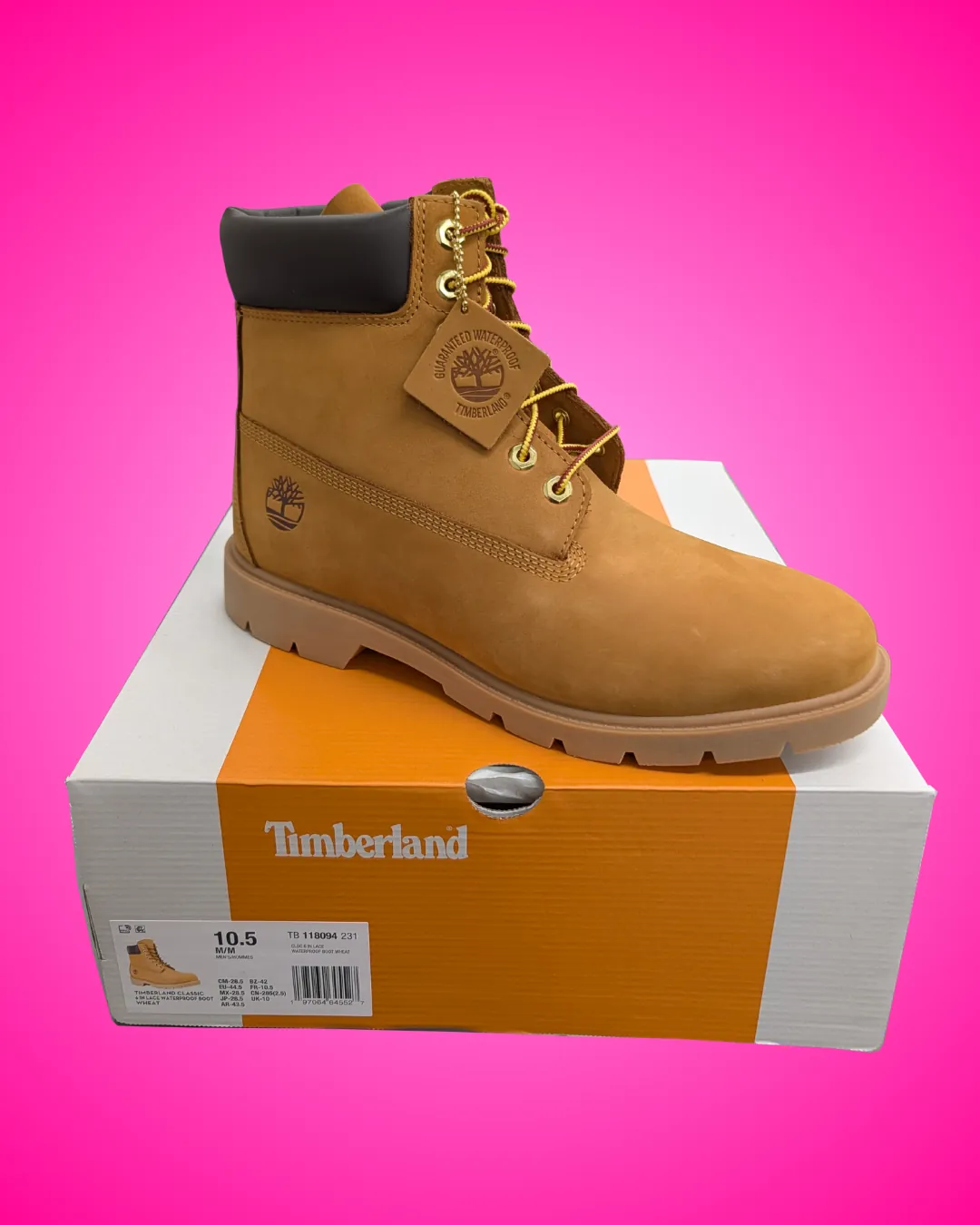
One thing to check: the material alone doesn't make a boot waterproof. Many nubuck boots are sold with a waterproof treatment or membrane, but that depends on the specific boot, so look for "waterproof" in the product details instead of assuming. Our fall hiking guide explains the tradeoff between waterproof and breathable construction.
Smooth leather: the easiest to care for
Smooth leather has a finished, sealed surface with no nap. That makes it the simplest to wipe clean, and it holds up to light rain better than either suede or nubuck, especially when it's conditioned. It usually takes a little longer to break in, and it shows scratches, but scuffs can often be buffed or polished out.
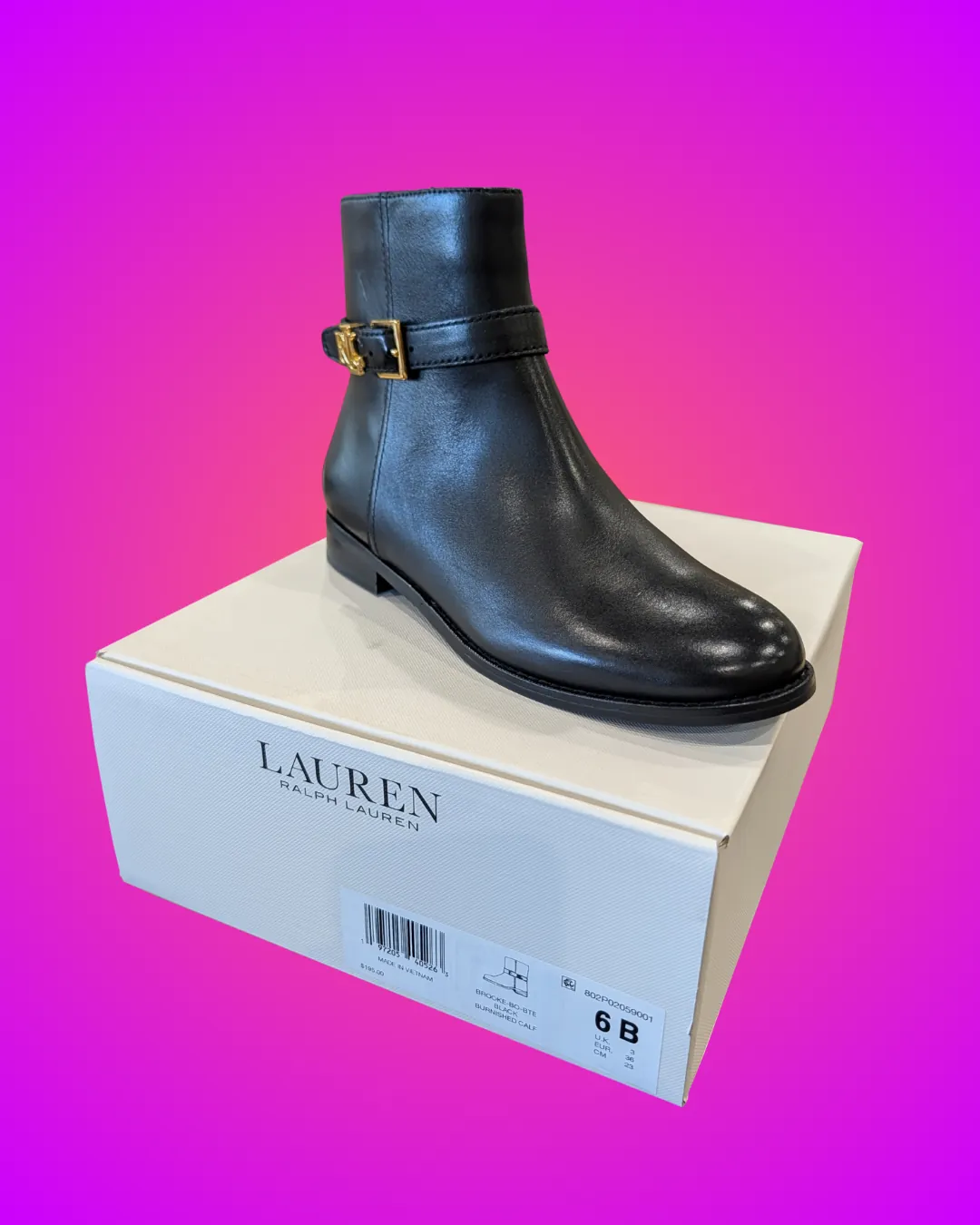
Smooth leather isn't automatically waterproof either, and it can dry out and crack if it's never conditioned. A cream or conditioner once a season keeps it supple.
How they compare
- Water: smooth leather handles it best, nubuck is in the middle, and suede is the most sensitive. A waterproof treatment or membrane changes this for any of them.
- Care: smooth leather needs a wipe and occasional conditioner. Suede and nubuck need a protector spray and a brush.
- Break-in: suede is usually the softest from the start. Smooth leather and nubuck can take a few wears to settle.
- Look: suede and nubuck read as casual and textured. Smooth leather ranges from dressy to rugged depending on the style.
Protecting your boots
- Spray suede and nubuck with a protector in a ventilated area before wearing them, and let them dry fully. Test on a hidden spot first, since a spray can darken some finishes.
- Reapply when water no longer beads on the surface, which for many people is about once a season.
- Wipe off salt as soon as you can with a damp cloth, since it stains and dries leather.
- Dry wet boots at room temperature, away from heaters and hair dryers. Heat can crack leather. Stuffing them with paper helps them keep their shape.
Fit matters more than the material
Leather tends to stretch and conform to your foot over time, and suede softens quickly, but none of that fixes a boot that's the wrong shape for you. Try boots on with the socks you plan to wear, and check how they fit across the ball of the foot and around the calf. Our wide-calf boots guide covers shaft fit, our winter boots guide explains insulation and traction for colder weather, and our brand sizing comparison shows how each brand tends to run.
Which one should you choose?
- Mostly dry days and a casual look: suede is comfortable and easy to love, if you're willing to protect it.
- A rugged everyday boot: nubuck gives the textured look with more durability, and many styles come with a waterproof treatment.
- Wet commutes, work, or low-maintenance wear: smooth leather is the easiest to keep looking good.
Care gear mentioned in this guide
Pick one per material. None of these change which boots we recommend.
As an Amazon Associate I earn from qualifying purchases. Some links are affiliate links, and ShoeCompass may earn a commission at no extra cost to you. How ShoeCompass makes money
Want a fall boot that fits and fits your weather?
Tell ShoeCompass how you'll wear them, where you live, and your size and fit concerns, and we'll point you toward boots in the right material and shape.
Try ShoeCompass →